
This is the
MISO project
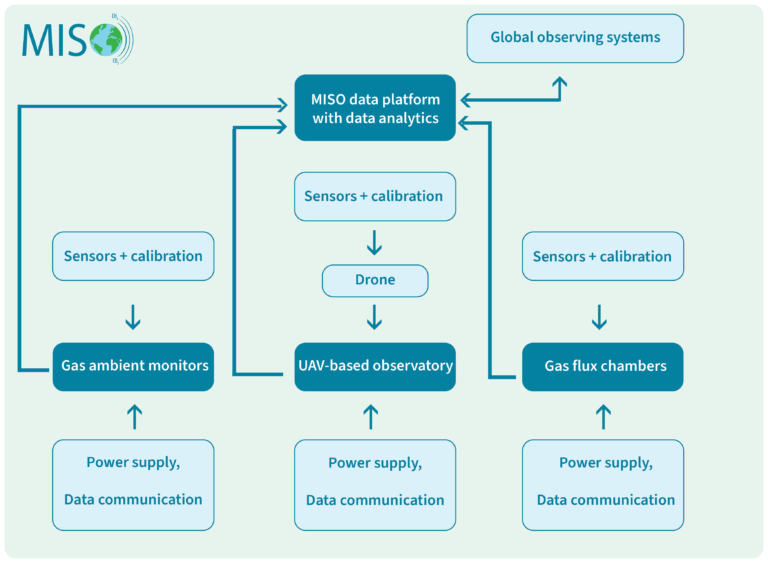
MISO develops an autonomous observation system for monitoring of emissions of CO2 and Methane, the two most important greenhouse gases. The system is modular and is suited for use in hard-to-reach areas such as the Arctic or wetlands. It combines three observing platforms (a static tower-Gas ambient monitor , a static gas flux chamber and a UAV-based observatory using NDIR sensing technologies ) with a cloud platform. The system can be operated remotely , with minimum on-site intervention.
The MISO team has expanded existing technologies: we have improved detection limit and accuracy of an NDIR GHG sensor integrated in the platforms. The static platforms and the drone base are powered by a unique geothermal device. The communication between the three observing platforms and a data cloud uses a combination of Peer2Peer, G4/G5/LTE, LORAWAN and wifi technologies.
To ensure consistent measurements, the observing platforms are optimized for energy efficient autonomous operation. This includes on-platform detection of faults through an optimized Machine Learning calibration. The cloud platform stores model updates and fault detection information together with the raw measurements.
The system is co-developed with stakeholders from academia, monitoring and measurement systems, industry and policy. It is thoroughly documented and has been demonstrated in the Arctic and in Wetland .
NEWS

Wetland pilot near Viborg, Denmark
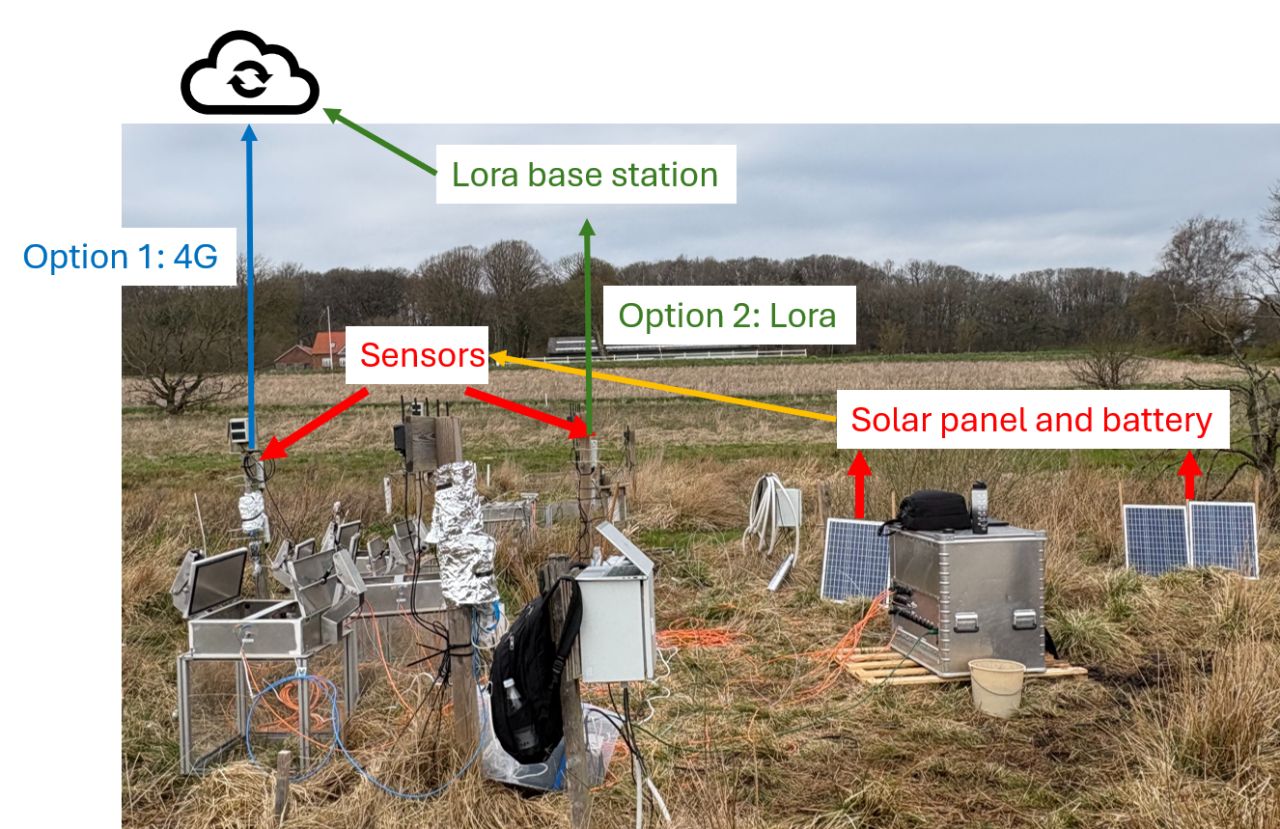
The MISO consortium has implemented the wetland pilot near Viborg, Denmark, to test the performance of the autonomous sensors for flux measurements under realistic ecosystem conditions.In addition, the workflow of MISO (from measurements to data exploitation on data platform) was tested. In which, two end-to-end communication methods were applied to
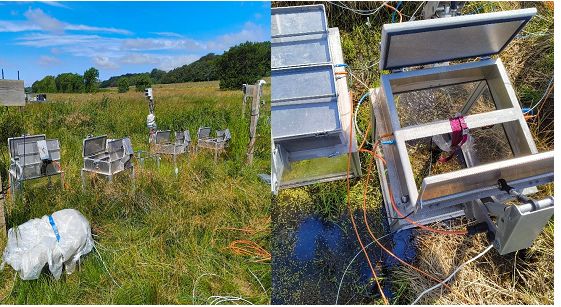
🌸 Very good results from the MISO Pilot in Wetland Denmark
During the summer of 2026, scientist Lea Panknin and Prof. Claire Treat (AWI and Aarhus University ) have been processing and analyzing the autochamber data from the MISO Pilot in Denmark with the inline sensor and the data matching from Senseair and NILU. They have released the first results for
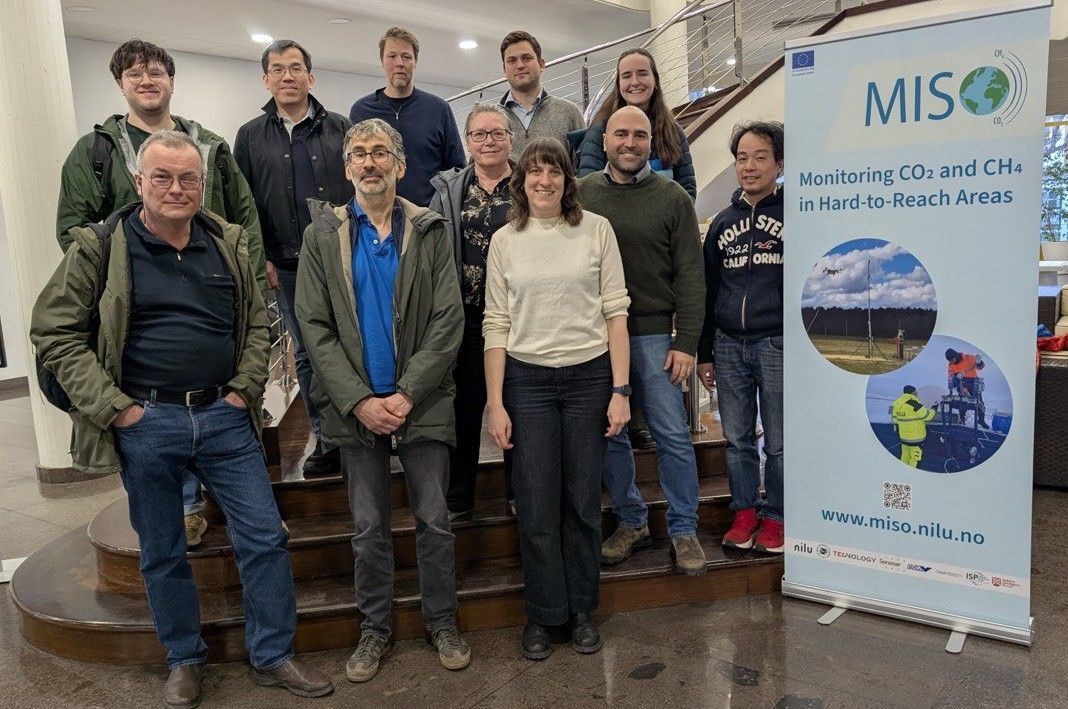
MISO is officially finished
MISO is officially finished (last day was 30.06.2026).MISO have developed and demonstrated an autonomous in-situ observation platform for use in hard-to-reach areas (Arctic, wetlands), for detecting and quantifying carbon dioxide and methane gasses, using a combination of stationary and mobile (drone) solutions and requiring minimum on-site intervention when deployed.In 3.5

Contact Info
Dr. Tuan-Vu Cao, project coordinator.
The Climate and Environmental Research Institute NILU.

This project has received funding from the European Union’s Horizon Europe research and innovation programme under Grant Agreement No. 101086541.